
Waterproofing in Hot Climates
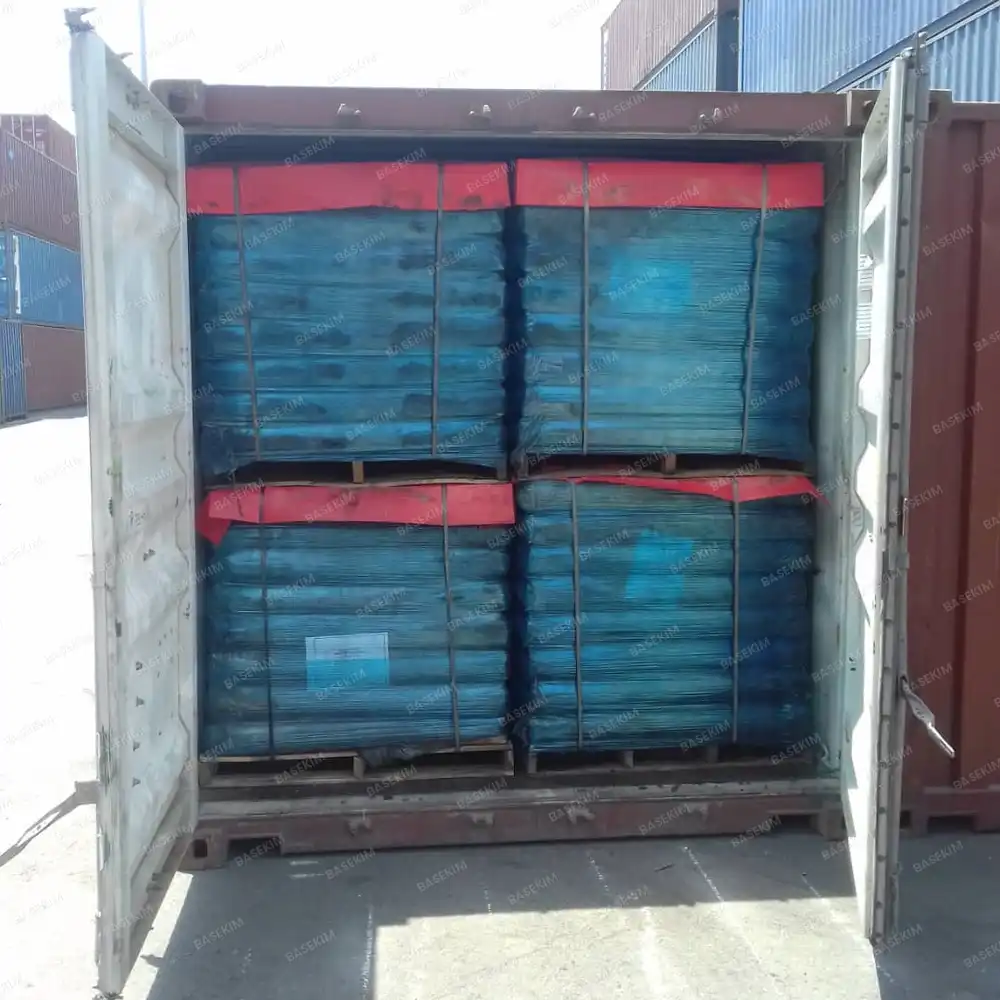
Extreme heat softens bitumen, causing slipping on slopes and stickiness.
Solution
Gilsonite raises softening point so coatings stay in place.
Challenges in the Gulf and desert regions
Roof surfaces can exceed 70 °C in summer, while nights can be much cooler. Soft bitumen slides down slopes, becomes sticky and ages quickly under strong UV.

Practical recommendations
- Specify compounds with a softening point well above maximum surface temperature.
- Use light-coloured or reflective top surfaces to reduce temperature.
- Protect membranes with tiles, screed or gravel where possible.
- Apply during cooler hours to control drying and avoid blistering.
Gilsonite’s role
Gilsonite is one of the most effective ways to raise the softening point of bituminous coatings and mastics, keeping them in place and reducing tackiness in extreme heat.
| Base material | Typical softening point |
|---|---|
| Bitumen 60/70 | about 49–56 °C |
| Oxidized bitumen 85/25 | about 80–90 °C |
| Bitumen + gilsonite (formulated) | adjustable upward with dosage |
See waterproofing grade gilsonite and pipe coatings for hot climates.
Recommended product
Coating & Waterproofing Grade Gilsonite
| Property | Typical value | Test method |
|---|---|---|
| Appearance | Black powder | Visual |
| Softening point (R&B) | 150 – 200 °C | ASTM D36 |
| Ash content, max | 5 % | ASTM D3174 |
| Moisture, max | 1 % | ASTM D95 |
| Solubility in TCE, min | 97 % | ASTM D2042 |
| Particle size | ≤ 200 mesh | Sieve |
| Typical dosage | 5 – 25 % of compound | |
| Packing | 25 kg bags palletized; 1 MT jumbo bags. | |
Typical values. The final specification is confirmed in the COA of each shipment.
Related articles
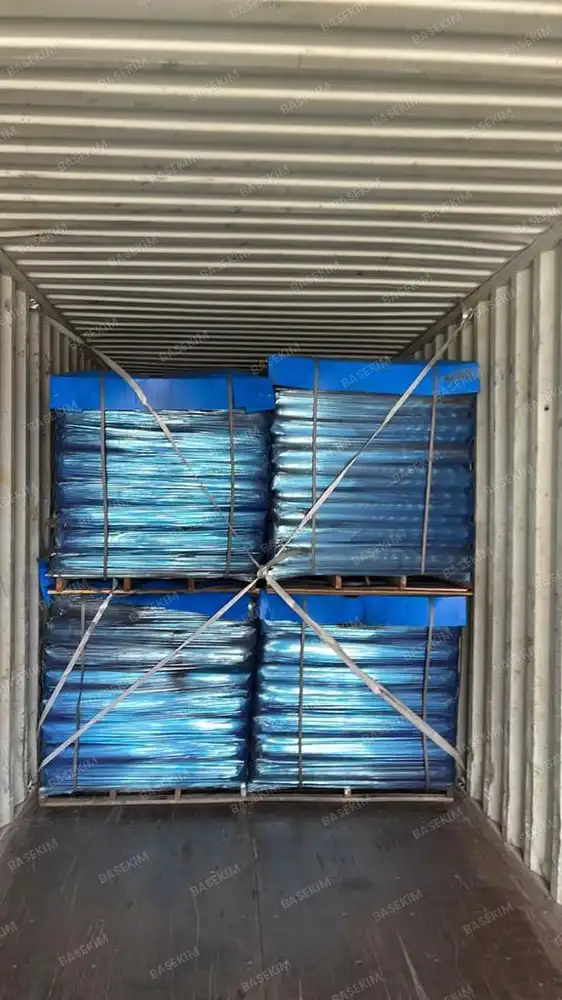
Waterproofing Wet Areas: Bathrooms, Balconies and Terraces
Bituminous coatings are used under tiles and screeds in some regions. Gilsonite-modified coatings improve water resistance and hardness.
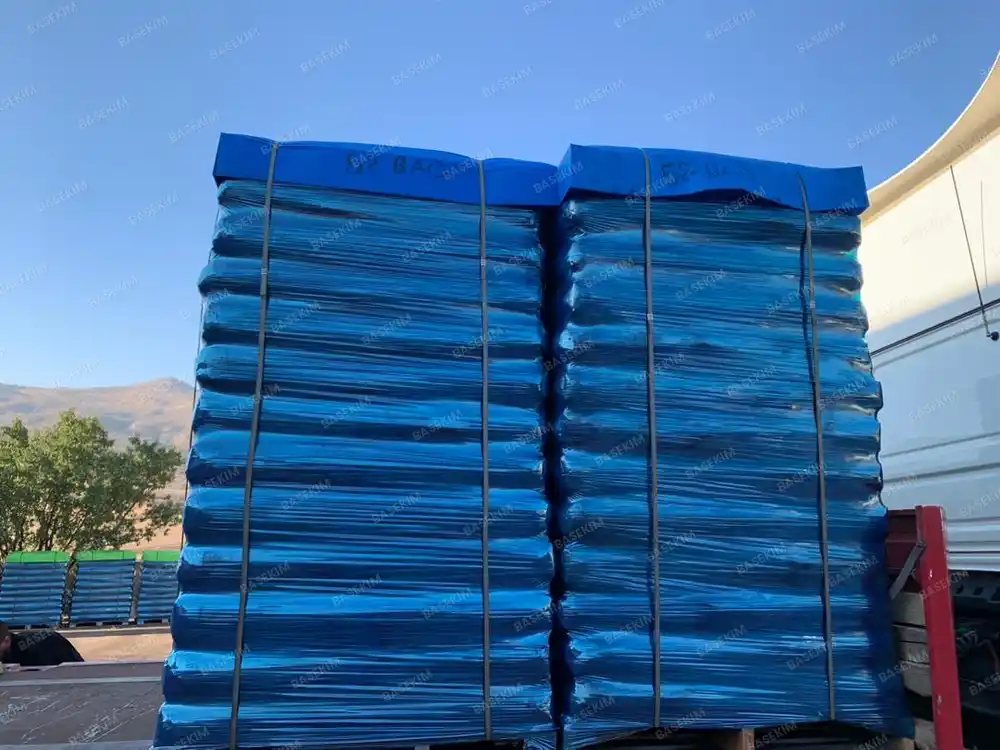
Damp-Proof Courses and Bituminous Barriers
Damp-proof courses stop moisture rising through walls. Bitumen sheets or coatings placed in masonry joints. Adds hardness so…
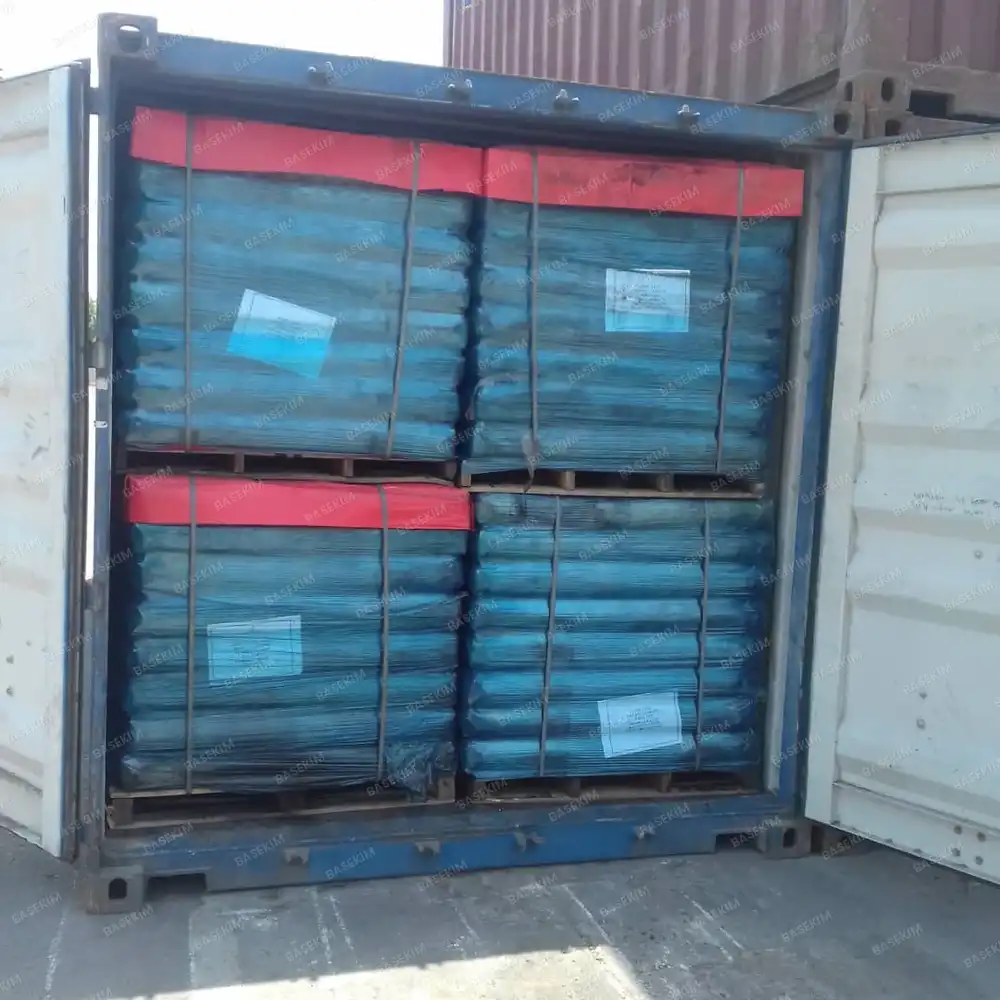
Gilsonite Waterproofing FAQ
Why add gilsonite to waterproofing? To increase hardness, heat resistance and water resistance. Is it flexible? Alone it…