
Lustrous Carbon Explained: Why It Matters for Castings
Lustrous carbon is a thin, shiny graphite-like film that forms on the mould surface when hydrocarbons crack at high temperature. It is the key to good surface finish in iron castings.
How it forms
When metal is poured, volatile hydrocarbons from additives like gilsonite move toward the hot metal, crack in the reducing atmosphere and deposit carbon as a lustrous film.
Why it helps
- The film is not wetted by molten iron
- It reduces metal penetration into sand pores
- It helps the casting release cleanly from the mould

Measuring lustrous carbon
Laboratories measure lustrous carbon yield as a percentage of the additive. Gilsonite has one of the highest yields among common additives.
Getting the right level
Too little lustrous carbon causes burn-on and rough surfaces. Too much can cause lustrous carbon defects (folds or wrinkles) on the casting surface.
Factors that control lustrous carbon formation
| Factor | Effect |
|---|---|
| Volatile matter of additive | More volatiles → more lustrous carbon |
| Metal temperature | Higher temperature → more cracking |
| Mould atmosphere | Low oxygen favours lustrous carbon |
| Sand permeability | Affects gas escape |
Lustrous carbon defects
If too much lustrous carbon forms, it can be trapped as wrinkles, folds or laps on the casting surface, especially on thin sections or in ductile iron. Balance additive level against casting geometry.
Measuring in the foundry
Track LOI and volatile content of system sand along with visual inspection of castings.
Use foundry grade gilsonite for high lustrous carbon at low dosage. See gilsonite in foundry sand.
Recommended product
Foundry Grade Gilsonite
| Property | Typical value | Test method |
|---|---|---|
| Appearance | Black powder | Visual |
| Particle size | 100 – 300 mesh | Sieve |
| Volatile matter | 55 – 75 % | ASTM D3175 |
| Ash content, max | 5 % | ASTM D3174 |
| Moisture, max | 1 % | ASTM D95 |
| Softening point (R&B) | 150 – 200 °C | ASTM D36 |
| Typical dosage | 0.3 – 1.0 % (iron) | |
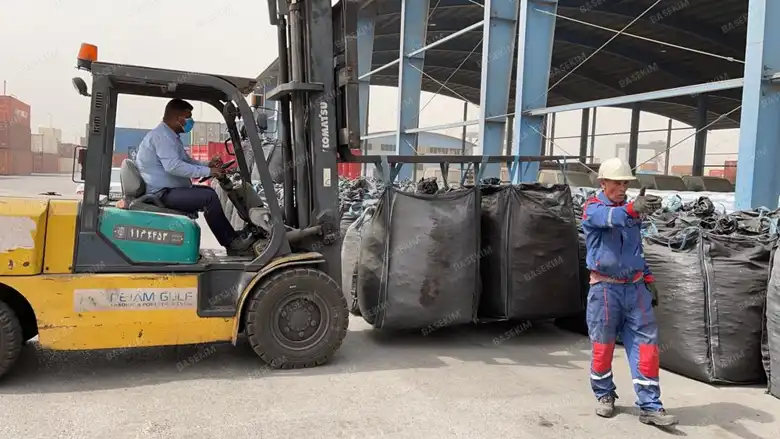
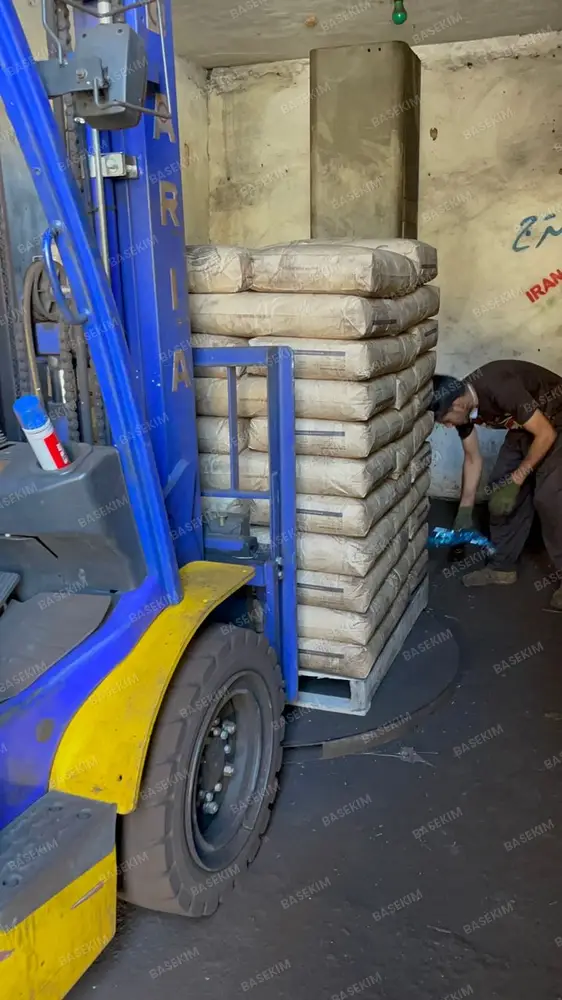
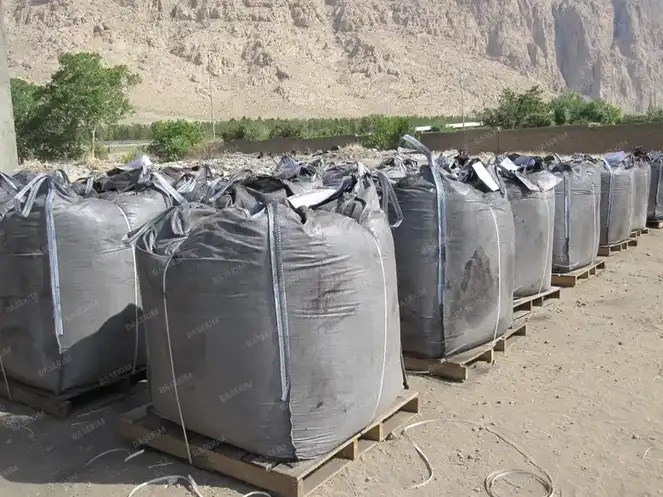
| Packing | 25 kg bags palletized; 1 MT jumbo bags for blending plants. | |
Typical values. The final specification is confirmed in the COA of each shipment.
Related articles

Foundry Emissions and Carbon Additives
Foundries are under pressure to reduce smoke, odour and emissions. The choice of carbon additive matters. When hot…
Reducing Burn-On and Metal Penetration with Gilsonite
Burn-on and metal penetration create rough casting surfaces that need costly grinding and shot blasting. Gilsonite releases hydrocarbons…
Gilsonite vs. Sea Coal in Green Sand
Sea coal (finely ground bituminous coal) has been the traditional carbon additive in green sand for over a…