
When Is the Best Time for Crack Sealing?
Cracks are widest in cool weather, which makes spring and autumn ideal for crack sealing.
Why
Sealant placed in wide cracks will be compressed, not stretched, in summer.
Tips
Ensure cracks are dry and clean, and avoid freezing conditions.
Seasonal guide
| Season | Suitability | Notes |
|---|---|---|
| Spring | Very good | Cracks moderately open |
| Summer | Fair | Cracks narrow; sealant may be squeezed out |
| Autumn | Very good | Cracks opening as temperatures fall |
| Winter | Poor | Moisture and cold prevent bonding |
Why crack width matters
Sealant placed in a wide crack is compressed in summer, which it tolerates well. Sealant placed in a narrow summer crack is stretched in winter and may debond.
Practical tip
Schedule crack sealing in mild, dry weather, ideally a few weeks before applying a surface sealer.
See sealer and filler grade gilsonite and crack filler guide.
Recommended product
Sealer & Filler Grade Gilsonite
| Property | Typical value | Test method |
|---|---|---|
| Appearance | Black powder | Visual |
| Softening point (R&B) | 150 – 180 °C | ASTM D36 |
| Ash content, max | 5 % | ASTM D3174 |
| Moisture, max | 1 % | ASTM D95 |
| Solubility in toluene, min | 98 % | ASTM D2042 |
| Particle size | ≤ 200 mesh | Sieve |
| Typical dosage | Sealer: 15 – 35 % | |
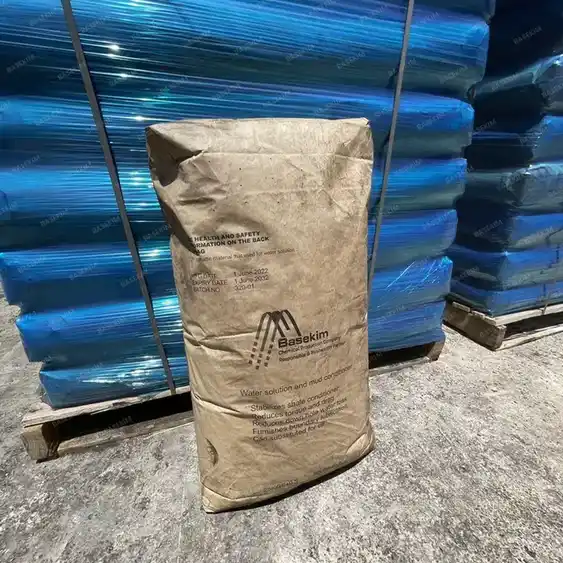
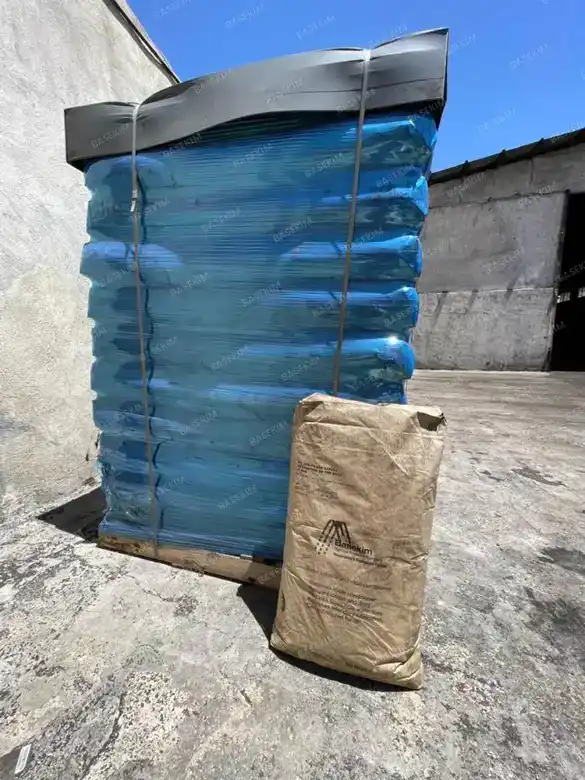
| Packing | 25 kg bags palletized. | |
Typical values. The final specification is confirmed in the COA of each shipment.
Related articles
Sealer and Filler FAQ
How long does gilsonite sealer last? Typically 2–4 years. Can I seal new asphalt? Wait until it has…

Formulating a Gilsonite Pavement Sealer
Drying time, film flexibility, water resistance and colour. Drying time, film flexibility, adhesion to aged asphalt, water resistance…
Application Tips for Gilsonite Sealers
Barricade the area and keep vehicles off until the sealer has cured – often several hours, longer in…