
Gilsonite Additives FAQ
Can gilsonite replace synthetic resins?
In many black or dark formulations, partly or fully.
Which grade is best for compounding?
Micronized grades disperse fastest.
Is it compatible with polymers?
With many, but test each system.
Can you supply samples?
Yes, contact our sales team.
What makes gilsonite different from synthetic hydrocarbon resins?
It is a natural material with high softening point, strong adhesion and deep black colour, often at a lower cost.
Does it dissolve in water?
No. It dissolves in aromatic solvents, many oils and hot bitumen.
How should I store it?
Dry, covered and away from heat, on pallets.
Can it be used in food-contact or pharmaceutical products?
Not unless the final product has specific regulatory approval.
What packing is available?
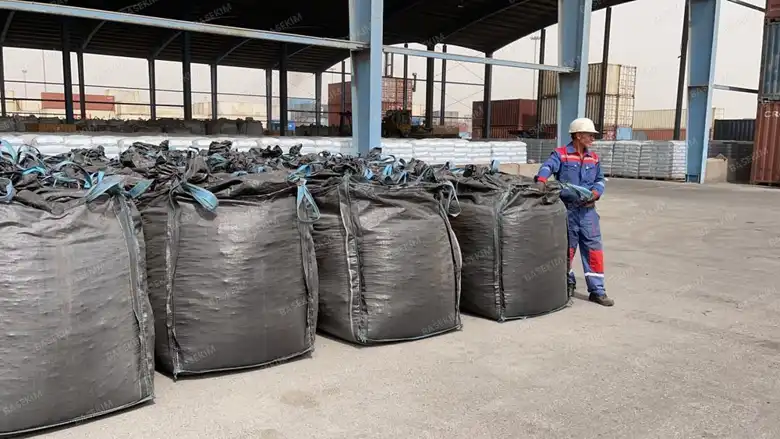
25 kg bags and 1 MT jumbo bags; custom packing on request.
See gilsonite powder and micronized gilsonite.

Recommended product
Gilsonite Powder
| Property | Typical value | Test method |
|---|---|---|
| Appearance | Black to dark brown powder | Visual |
| Particle size | 100 – 200 mesh | Sieve |
| Softening point (R&B) | 150 – 220 °C | ASTM D36 |
| Ash content, max | 5 % | ASTM D3174 |
| Moisture, max | 1 % | ASTM D95 |
| Volatile matter | 55 – 75 % | ASTM D3175 |
| Solubility in toluene, min | 99 % | ASTM D2042 |
| Specific gravity @ 25°C | 1.04 – 1.10 | ASTM D70 |
| Typical dosage | Drilling 2–8 lb/bbl · asphalt 4–12 % of binder · foundry 0.3–1.0 % | |
| Packing | 25 kg multi-wall paper or PP bags, palletized and stretch-wrapped; 1 MT jumbo bags. | |
Typical values. The final specification is confirmed in the COA of each shipment.
Related articles
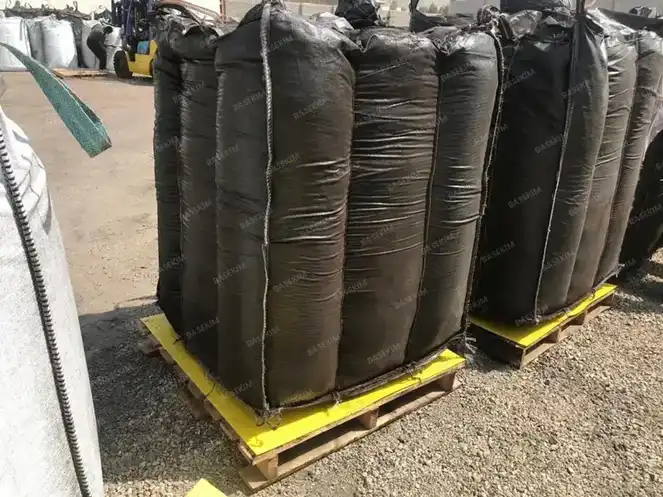
Gilsonite in Lubricants and Greases
Gilsonite can be used in heavy-duty greases and gear compounds. Gilsonite is dissolved in heavy base oil, then…
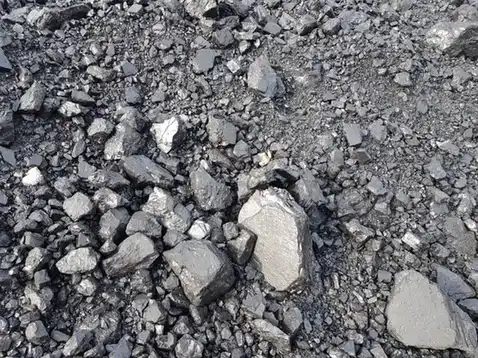
Gilsonite in Plastics and Masterbatches
Gilsonite can be used to colour and modify some plastics. Gilsonite is not a replacement for carbon black…
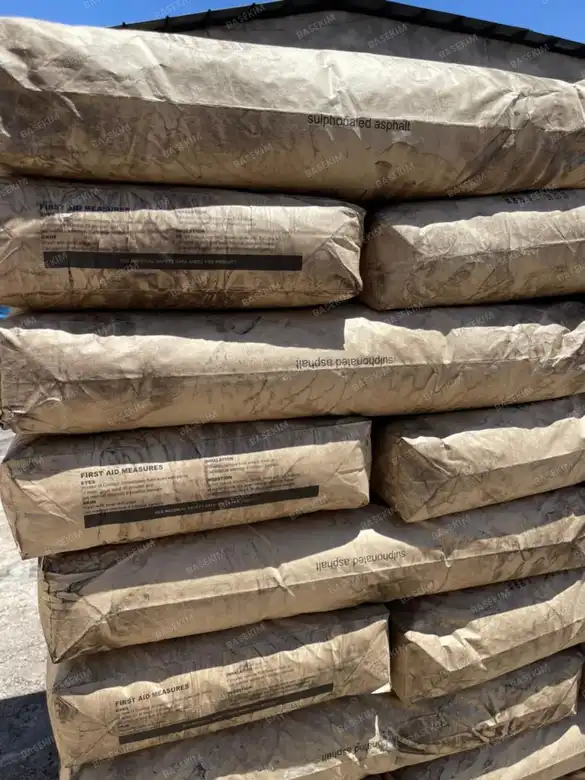
Gilsonite in Rubber Compounding
Gilsonite has been used as a processing aid and extender in rubber. Hoses, belts, mats, seals and some…