
Bentonite and Gilsonite Blends for Green Sand
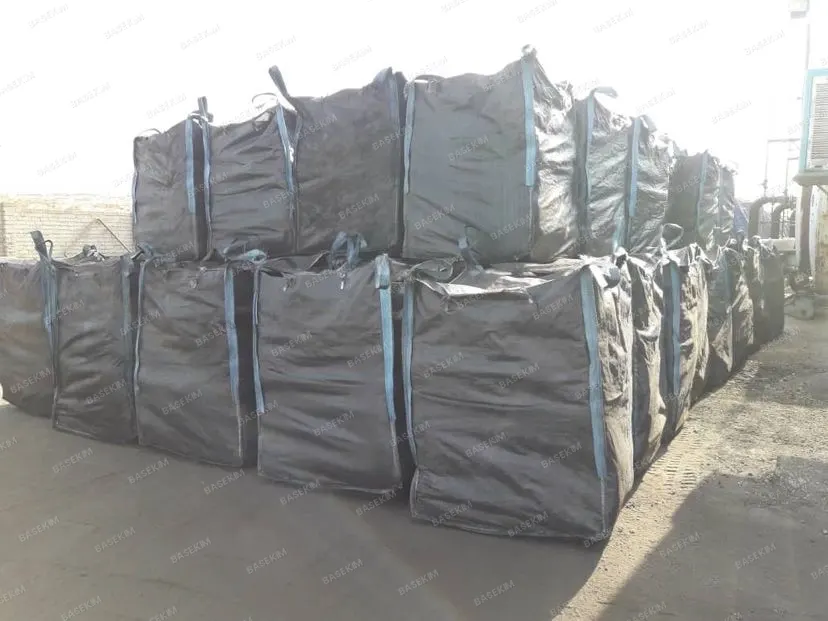
Many foundries buy pre-mixed blends of bentonite and carbon additives. Gilsonite is an excellent carbon component for these blends.
Why blends
- Simplified handling and dosing
- Consistent ratio of clay to carbon
- Less dust at the muller
Typical blend ratios
Bentonite-to-carbon ratios vary from about 3:1 to 6:1 depending on the foundry.

Advantages of gilsonite in blends
- Lower carbon dosage for the same effect
- Low ash, so less dead clay and fines
- Good mixing with clay
For blend producers
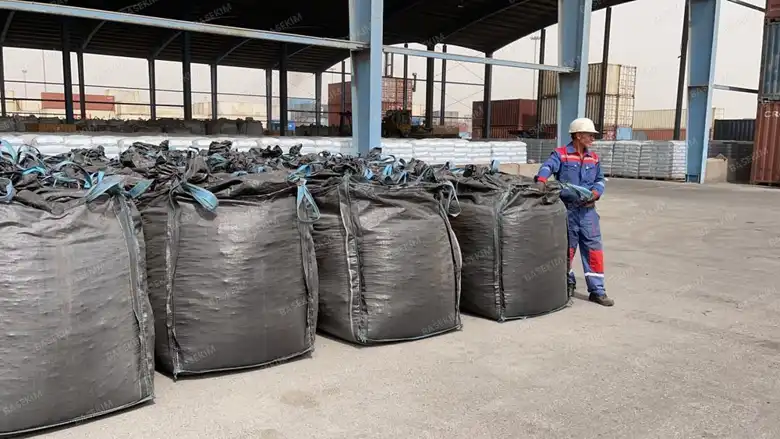
Sun Gilsonite supplies foundry grade gilsonite in 1 MT jumbo bags for blending plants.
Benefits for the foundry
- One product to store and dose
- Consistent ratio between clay and carbon
- Less dust and simpler logistics
Benefits for blend producers
Gilsonite’s high activity means less carbon additive by weight in the blend, leaving room for more bentonite or a lower cost blend.
Quality checks for blends
| Test | Purpose |
|---|---|
| Methylene blue | Active clay content |
| Volatile matter | Carbon activity |
| LOI | Total combustibles |
| Moisture | Storage stability |
Recommended product
Foundry Grade Gilsonite
| Property | Typical value | Test method |
|---|---|---|
| Appearance | Black powder | Visual |
| Particle size | 100 – 300 mesh | Sieve |
| Volatile matter | 55 – 75 % | ASTM D3175 |
| Ash content, max | 5 % | ASTM D3174 |
| Moisture, max | 1 % | ASTM D95 |
| Softening point (R&B) | 150 – 200 °C | ASTM D36 |
| Typical dosage | 0.3 – 1.0 % (iron) | |
| Packing | 25 kg bags palletized; 1 MT jumbo bags for blending plants. | |
Typical values. The final specification is confirmed in the COA of each shipment.
Related articles
Gilsonite and Common Casting Defects
Carbon additives affect several casting defects. Getting the level right is key. Monitor LOI, volatile content and casting…

Foundry Emissions and Carbon Additives
Foundries are under pressure to reduce smoke, odour and emissions. The choice of carbon additive matters. When hot…
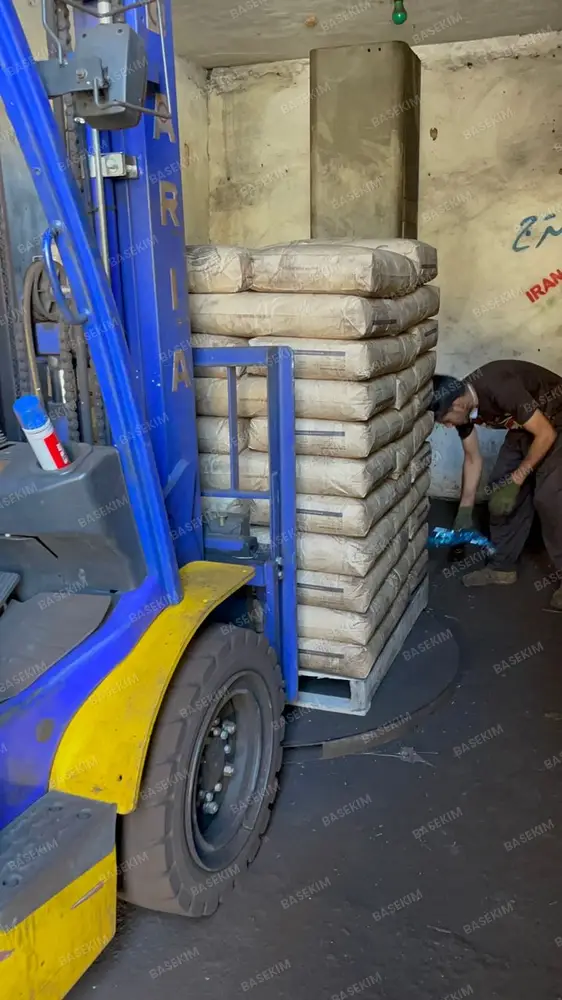
Storing and Handling Gilsonite in the Foundry
Good storage keeps gilsonite free-flowing and safe. Jumbo bags can be discharged into silos for automatic dosing. Keep…