
Gilsonite in Chip Seals and Surface Dressing
Chip seals (surface dressing) are a low-cost way to waterproof and restore skid resistance to roads. The binder must hold the chips firmly in hot weather.
Binder requirements
- Good wetting of chips during application
- Strong retention after curing
- Resistance to bleeding in summer
Gilsonite benefits
Adding gilsonite to cutback or hot binder increases stiffness after curing, helping prevent bleeding and chip loss in hot conditions.
Application tips
- Use gilsonite-modified hot binder or cutback.
- Apply at the correct rate and temperature.
- Roll chips promptly.
Related surface treatments
Gilsonite is also used in slurry seals and pavement sealers. See gilsonite pavement sealer guide.
Chip seal design factors
| Factor | Consideration |
|---|---|
| Binder rate | Enough to hold chips, not so much it bleeds |
| Chip size | Matched to traffic |
| Chip cleanliness | Dust prevents bonding |
| Weather | Warm and dry |
Common failures
- Chip loss in the first weeks
- Bleeding in hot weather
- Streaking from uneven spray
Gilsonite benefit
Stiffer binder after curing reduces bleeding and improves chip retention in heat.
See our sealer and filler grade gilsonite.
Recommended product
Sealer & Filler Grade Gilsonite
| Property | Typical value | Test method |
|---|---|---|
| Appearance | Black powder | Visual |
| Softening point (R&B) | 150 – 180 °C | ASTM D36 |
| Ash content, max | 5 % | ASTM D3174 |
| Moisture, max | 1 % | ASTM D95 |
| Solubility in toluene, min | 98 % | ASTM D2042 |
| Particle size | ≤ 200 mesh | Sieve |
| Typical dosage | Sealer: 15 – 35 % | |
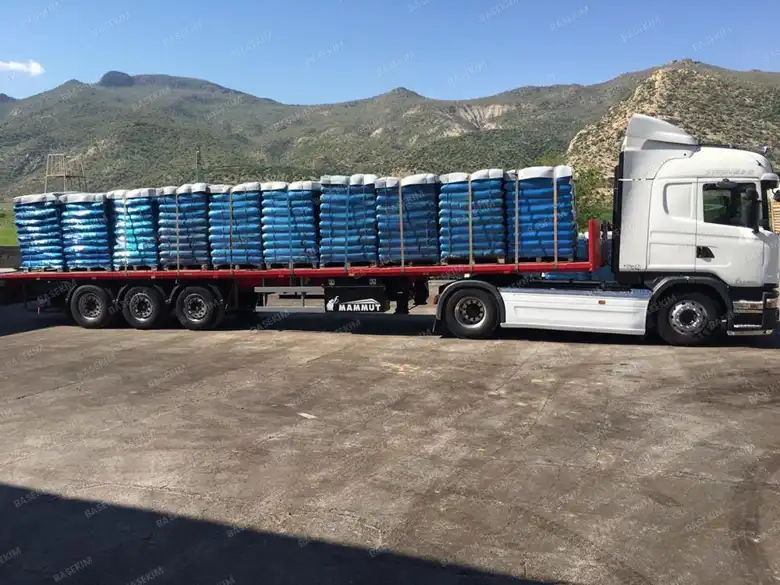
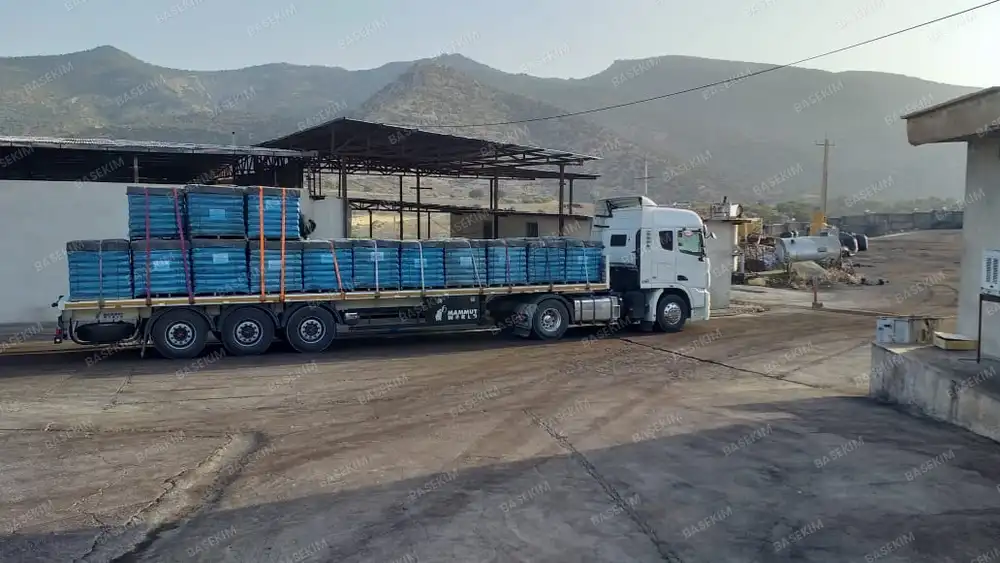
| Packing | 25 kg bags palletized. | |
Typical values. The final specification is confirmed in the COA of each shipment.
Related articles
Gilsonite in Base and Binder Courses
Much of the rutting in heavy-duty pavements occurs in the lower asphalt layers, not just the surface. Modifying…

Gilsonite Paving: Frequently Asked Questions
Do I need special paving equipment? No. Normal pavers and rollers are used. Does gilsonite asphalt look different?…

Can Gilsonite Be Used in Warm Mix Asphalt?
Warm mix asphalt (WMA) is produced at temperatures 20–40°C lower than hot mix, saving fuel and reducing emissions.…