
Can Gilsonite Be Used in Warm Mix Asphalt?

Warm mix asphalt (WMA) is produced at temperatures 20–40°C lower than hot mix, saving fuel and reducing emissions. Gilsonite increases viscosity, so how do the two work together?
The challenge
Gilsonite needs heat to dissolve in bitumen. At lower WMA temperatures, dissolution may be slower in the dry process.
Solutions
- Wet process: dissolve gilsonite in the binder at the terminal first, then use WMA additives.
- Chemical WMA additives: surfactant-based additives improve workability without needing much lower viscosity.
- Fine powder: use finer gilsonite for faster dissolution.
Benefits of combining
WMA reduces aging of the binder at the plant, while gilsonite provides rut resistance. Together they can offer a durable, lower-emission pavement.
Recommendation
Trial the combination in the lab, checking binder dispersion and mix performance.
WMA technologies
| Type | How it works |
|---|---|
| Chemical additives | Improve coating at lower temperature |
| Organic waxes | Reduce viscosity above melting point |
| Foaming | Water creates temporary binder expansion |
Compatibility notes
Chemical additives are generally the easiest to combine with gilsonite-modified binder. Always verify mix workability and compaction at the target lower temperature.
Benefits of the combination
Lower fuel use and fumes from WMA, plus rut resistance from gilsonite.
Use asphalt modifier gilsonite in the wet process. Read wet vs. dry process.
Recommended product
Asphalt Modifier Grade Gilsonite
| Property | Typical value | Test method |
|---|---|---|
| Appearance | Black powder or granules | Visual |
| Softening point (R&B) | 150 – 200 °C | ASTM D36 |
| Ash content, max | 8 % | ASTM D3174 |
| Moisture, max | 1 % | ASTM D95 |
| Solubility in TCE, min | 95 % | ASTM D2042 |
| Specific gravity @ 25°C | 1.04 – 1.10 | ASTM D70 |
| Particle size | Powder ≤ 200 mesh / granular 1–5 mm | Sieve |
| Typical dosage | 4 – 12 % by weight of binder | |
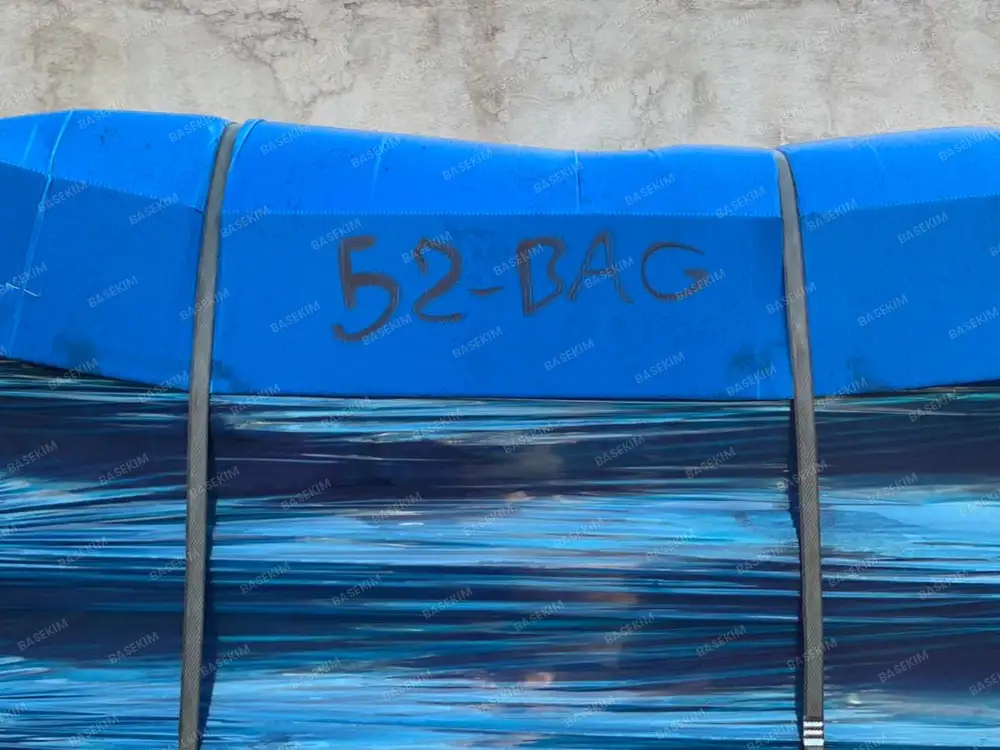
| Packing | 25 kg bags, meltable bags or 1 MT jumbo bags. | |
Typical values. The final specification is confirmed in the COA of each shipment.
Related articles
Paving in Desert Conditions with Gilsonite
Desert roads face extreme heat, wind-blown sand and large daily temperature swings. Granular gilsonite is easy to handle…
Pavement Preservation with Gilsonite-Based Products
Pavement preservation means treating roads while they are still in good condition to extend their life at low…

Paving Heavy Truck Routes with Gilsonite
Freight corridors, quarry roads and port access roads carry far more trucks than ordinary roads. Their pavements need…