
Gilsonite in Electrical Insulation Compounds
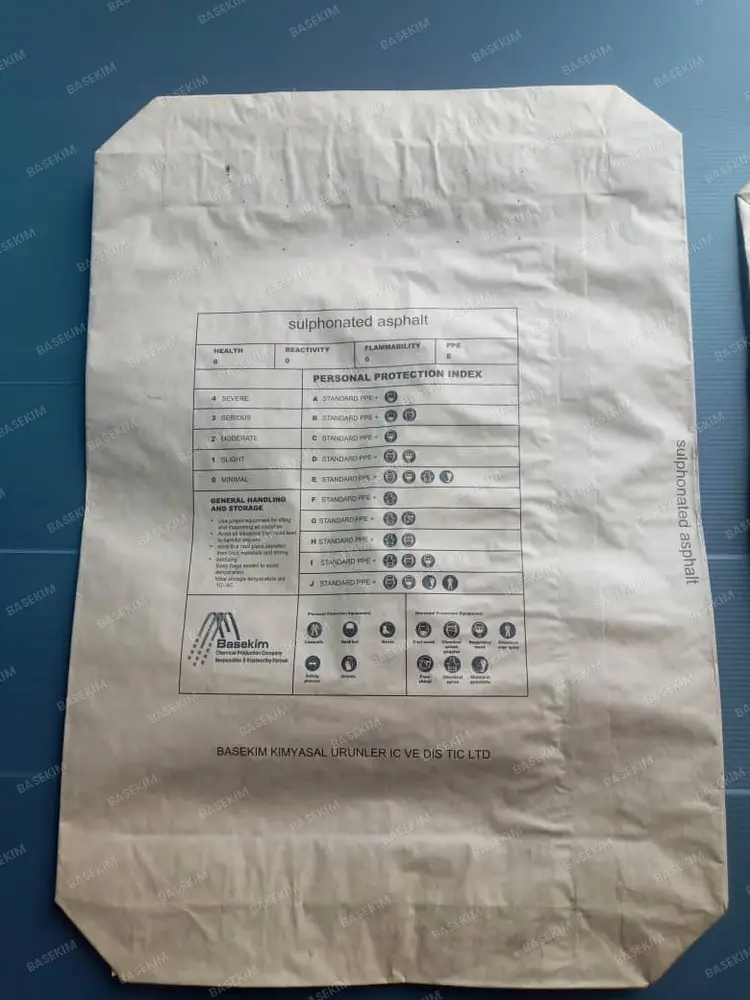
Gilsonite was historically used for insulating cables and is still used in some potting and insulating compounds.
Properties
- Good dielectric properties
- Water resistance
- Hardness
Historical use
In the late nineteenth and early twentieth centuries gilsonite was used to insulate underground cables and electrical windings. Its high resistivity and water resistance made it ideal before modern plastics existed.
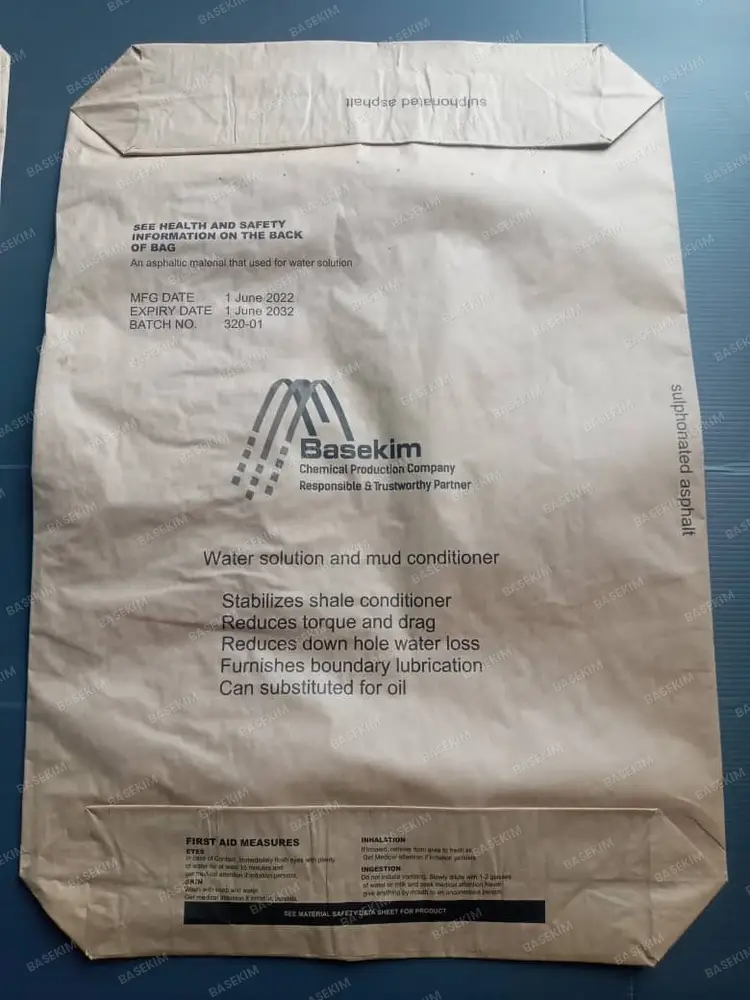
Present-day uses
- Potting and filling compounds for junction boxes
- Battery sealing compounds
- Some insulating varnishes and impregnating compounds
Properties that matter
| Property | Relevance |
|---|---|
| Dielectric strength | Prevents electrical breakdown |
| Water resistance | Maintains insulation in humid conditions |
| Softening point | Prevents flow when equipment heats up |
Formulation
Gilsonite is blended with bitumen, waxes or oils to adjust hardness and pouring temperature. Always test the electrical properties of the final compound against the relevant standard.
See gilsonite powder and history of gilsonite.
Recommended product
Gilsonite Powder
| Property | Typical value | Test method |
|---|---|---|
| Appearance | Black to dark brown powder | Visual |
| Particle size | 100 – 200 mesh | Sieve |
| Softening point (R&B) | 150 – 220 °C | ASTM D36 |
| Ash content, max | 5 % | ASTM D3174 |
| Moisture, max | 1 % | ASTM D95 |
| Volatile matter | 55 – 75 % | ASTM D3175 |
| Solubility in toluene, min | 99 % | ASTM D2042 |
| Specific gravity @ 25°C | 1.04 – 1.10 | ASTM D70 |
| Typical dosage | Drilling 2–8 lb/bbl · asphalt 4–12 % of binder · foundry 0.3–1.0 % | |
| Packing | 25 kg multi-wall paper or PP bags, palletized and stretch-wrapped; 1 MT jumbo bags. | |
Typical values. The final specification is confirmed in the COA of each shipment.
Related articles
Natural Asphalts in Agricultural Products
Bituminous products have been used for tree wound dressings, grafting compounds and protective coatings for posts. Water resistance…
Gilsonite Dosage Reference Table
Values are typical starting points; optimize by testing. The ranges below are typical starting points collected from common…
Gilsonite in Plastics and Masterbatches
Gilsonite can be used to colour and modify some plastics. Gilsonite is not a replacement for carbon black…