
Gilsonite in Grey Iron Foundries
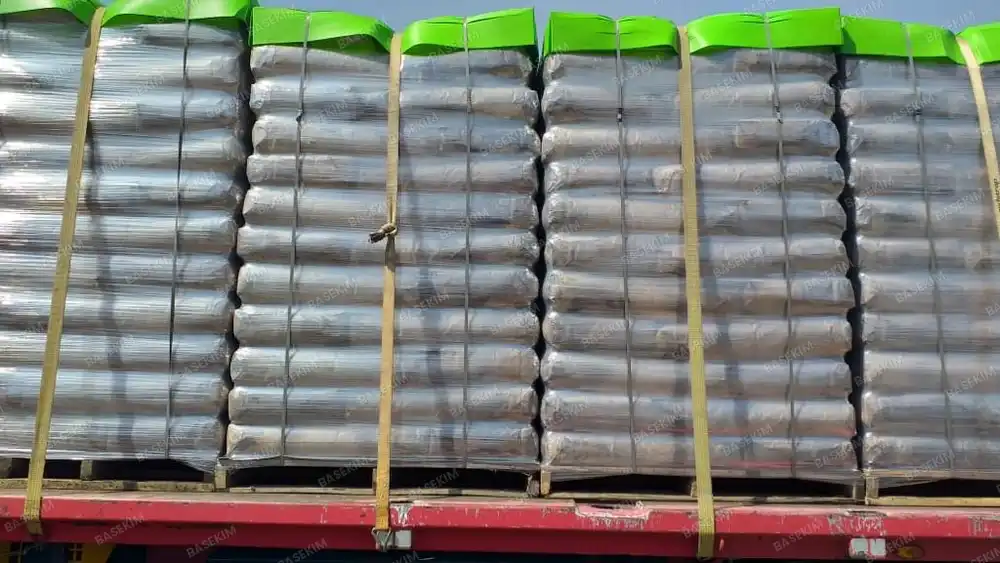
Grey iron castings — engine blocks, brake discs, pump housings — are produced in large volumes in green sand. Gilsonite helps improve surface finish and productivity.
Benefits
- Smooth as-cast surfaces
- Less shot-blasting and grinding
- Clean shake-out
- Lower total additive consumption
Typical dosage
0.3–0.8% by weight of sand, adjusted for casting size.
Getting started
Run a trial replacing part of the existing carbon additive with gilsonite. Monitor LOI, volatiles, compactability and casting finish.
Why grey iron suits gilsonite
Grey iron is poured at high temperature and is less sensitive to surface sulfur than ductile iron. Strong lustrous carbon formation gives excellent surface finish.
Typical parts
Engine blocks, cylinder heads, brake discs and drums, pump and valve bodies, manhole covers.
Process tips
| Parameter | Tip |
|---|---|
| LOI | Keep stable, typically 3–5 % |
| Compactability | Control tightly |
| Pouring temperature | Avoid excessive superheat |
Recommended product
Foundry Grade Gilsonite
| Property | Typical value | Test method |
|---|---|---|
| Appearance | Black powder | Visual |
| Particle size | 100 – 300 mesh | Sieve |
| Volatile matter | 55 – 75 % | ASTM D3175 |
| Ash content, max | 5 % | ASTM D3174 |
| Moisture, max | 1 % | ASTM D95 |
| Softening point (R&B) | 150 – 200 °C | ASTM D36 |
| Typical dosage | 0.3 – 1.0 % (iron) | |
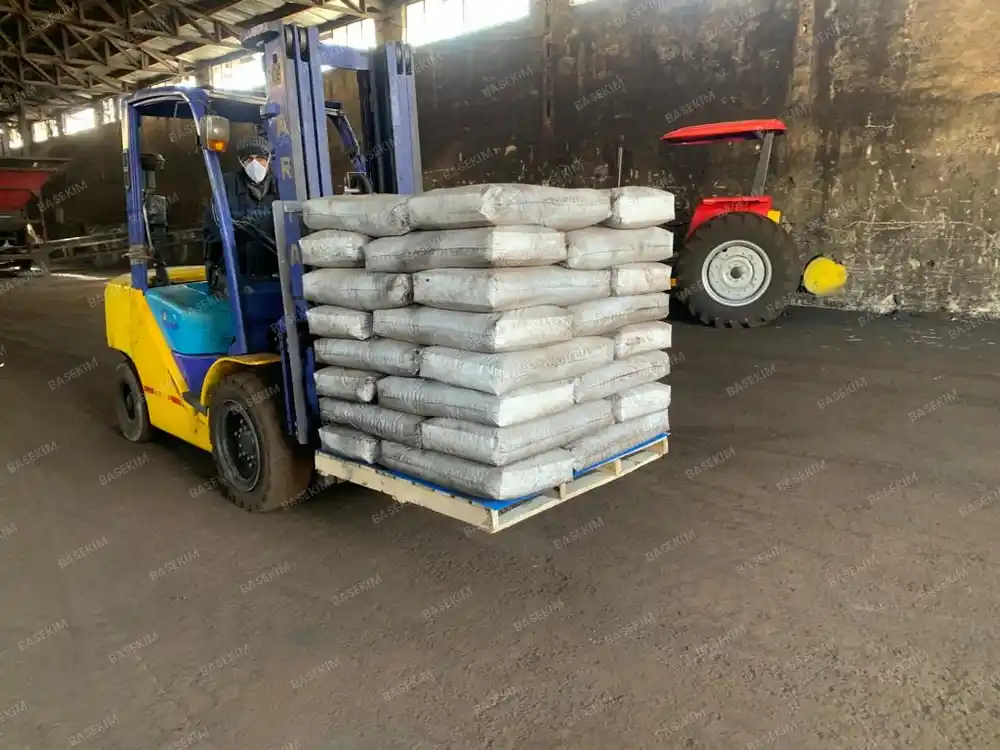
| Packing | 25 kg bags palletized; 1 MT jumbo bags for blending plants. | |
Typical values. The final specification is confirmed in the COA of each shipment.
Related articles

Foundry Gilsonite Dosage Guide
The right dosage depends on the metal, casting size and sand system. Measure loss on ignition (LOI) and…
Choosing Foundry Gilsonite Grades
Foundry gilsonite is offered in several particle sizes. Each suits a different need. For precision castings and fine…

Foundry Emissions and Carbon Additives
Foundries are under pressure to reduce smoke, odour and emissions. The choice of carbon additive matters. When hot…