
Gilsonite Pipe Coating FAQ

Why add gilsonite to pipe enamel?
To increase hardness, softening point and adhesion.
Is it used in modern pipelines?
Yes, particularly in bituminous systems, tapes and mastics.
Can it be used with cathodic protection?
Yes, as part of a well-adhered coating system.
What dosage?
Typically 5–25% of the bituminous compound.
Is a bituminous coating still a good choice?
For water pipelines, repairs, field joints and fittings it remains widely used and cost-effective.
How thick should the coating be?
It depends on the specification; hot enamel systems are typically several millimetres thick with reinforcement.
Do I need cathodic protection?
For buried steel pipelines, coatings are normally combined with CP.
Can I repair damaged coating in the field?
Yes, with compatible primers, mastics or tapes.
Which gilsonite grade is used?
Fine powder that dissolves quickly in hot bitumen, such as our coating grade.
See pipe coating grade gilsonite.
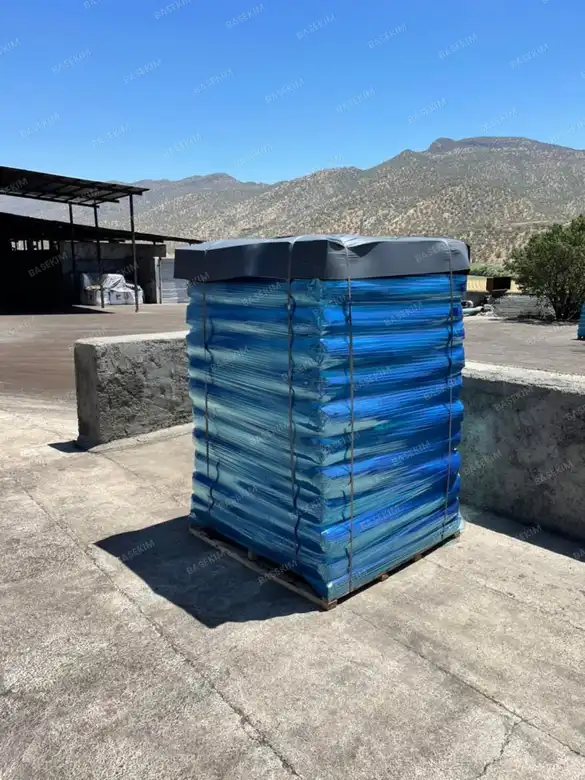
Recommended product
Coating & Waterproofing Grade Gilsonite
| Property | Typical value | Test method |
|---|---|---|
| Appearance | Black powder | Visual |
| Softening point (R&B) | 150 – 200 °C | ASTM D36 |
| Ash content, max | 5 % | ASTM D3174 |
| Moisture, max | 1 % | ASTM D95 |
| Solubility in TCE, min | 97 % | ASTM D2042 |
| Particle size | ≤ 200 mesh | Sieve |
| Typical dosage | 5 – 25 % of compound | |
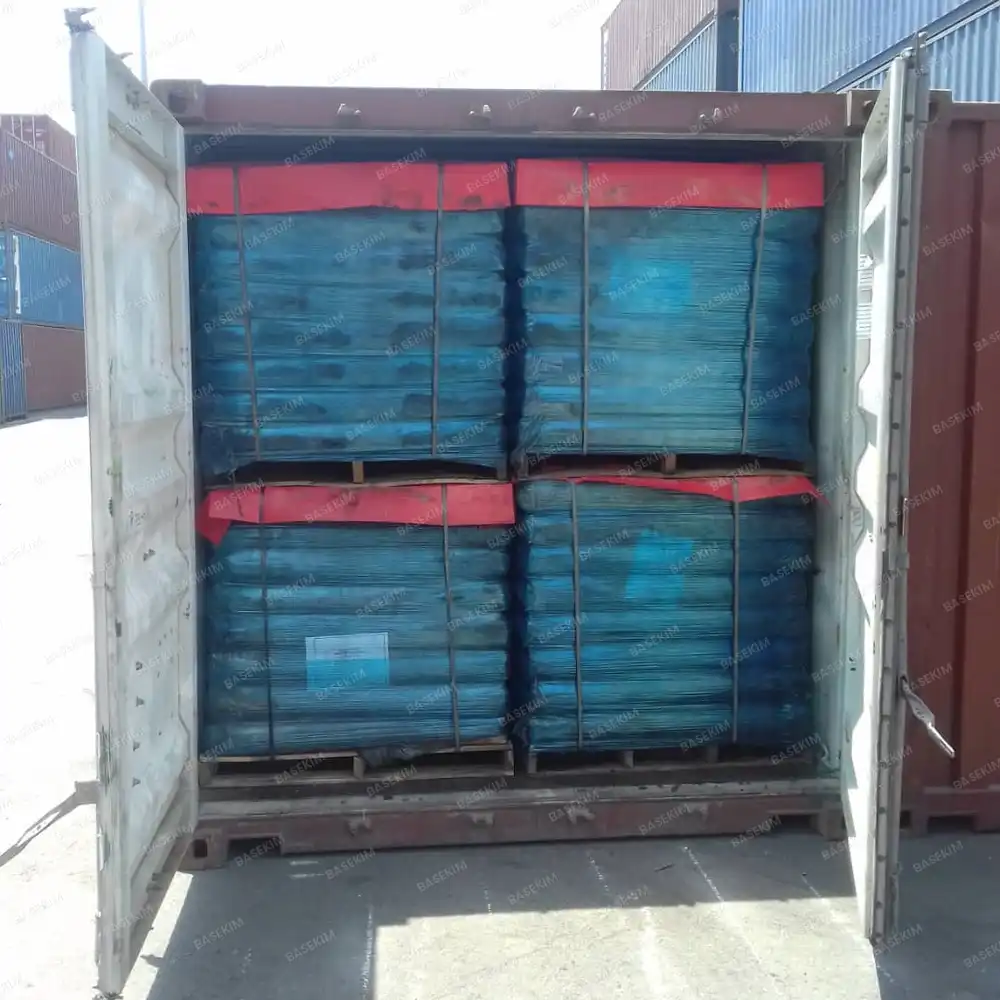
| Packing | 25 kg bags palletized; 1 MT jumbo bags. | |
Typical values. The final specification is confirmed in the COA of each shipment.
Related articles

Formulation Basics for Gilsonite Pipe Coating Compounds
Heat bitumen, add gilsonite and dissolve, then add filler with mixing. Softening point, penetration and sag resistance per…
Coatings for Water Pipelines and Gilsonite
Water pipelines often use bituminous coatings for economy and durability. Mainly in external coatings. Internal potable water linings…
Bituminous Coatings for Sewer and Drainage Pipes
Concrete and ductile iron sewer pipes can be coated externally with bituminous paints. Increases hardness and chemical resistance…