
Foundry Gilsonite: Frequently Asked Questions

How much gilsonite replaces sea coal?
Usually less gilsonite is needed than sea coal because of its higher volatile matter and lustrous carbon yield. The exact ratio must be found by plant trials.
Will it increase gas defects?
Only if overdosed. Control LOI and volatiles.
What mesh size is best?
100–200 mesh for most green sand systems.
Can I blend it with bentonite?
Yes, pre-blends are common.
What about sulfur?
Choose low-sulfur grades for ductile iron.
How is it packed?
25 kg bags or 1 MT jumbo bags.
What mesh size is best for green sand?
100–200 mesh is the most common starting point.
Can gilsonite be used with bentonite pre-blends?
Yes. Many blend producers use it as the carbon component.
Does gilsonite increase smoke?
Used at the right dosage, total smoke can be similar or lower than with higher dosages of coal additives.
How do I know if I am overdosing?
Rising LOI, gas defects and lustrous carbon folds are typical signs.
Is it suitable for steel castings?
Only where carbon pick-up is acceptable.
See foundry grade gilsonite and gilsonite in foundry sand.

Recommended product
Foundry Grade Gilsonite
| Property | Typical value | Test method |
|---|---|---|
| Appearance | Black powder | Visual |
| Particle size | 100 – 300 mesh | Sieve |
| Volatile matter | 55 – 75 % | ASTM D3175 |
| Ash content, max | 5 % | ASTM D3174 |
| Moisture, max | 1 % | ASTM D95 |
| Softening point (R&B) | 150 – 200 °C | ASTM D36 |
| Typical dosage | 0.3 – 1.0 % (iron) | |
| Packing | 25 kg bags palletized; 1 MT jumbo bags for blending plants. | |
Typical values. The final specification is confirmed in the COA of each shipment.
Related articles
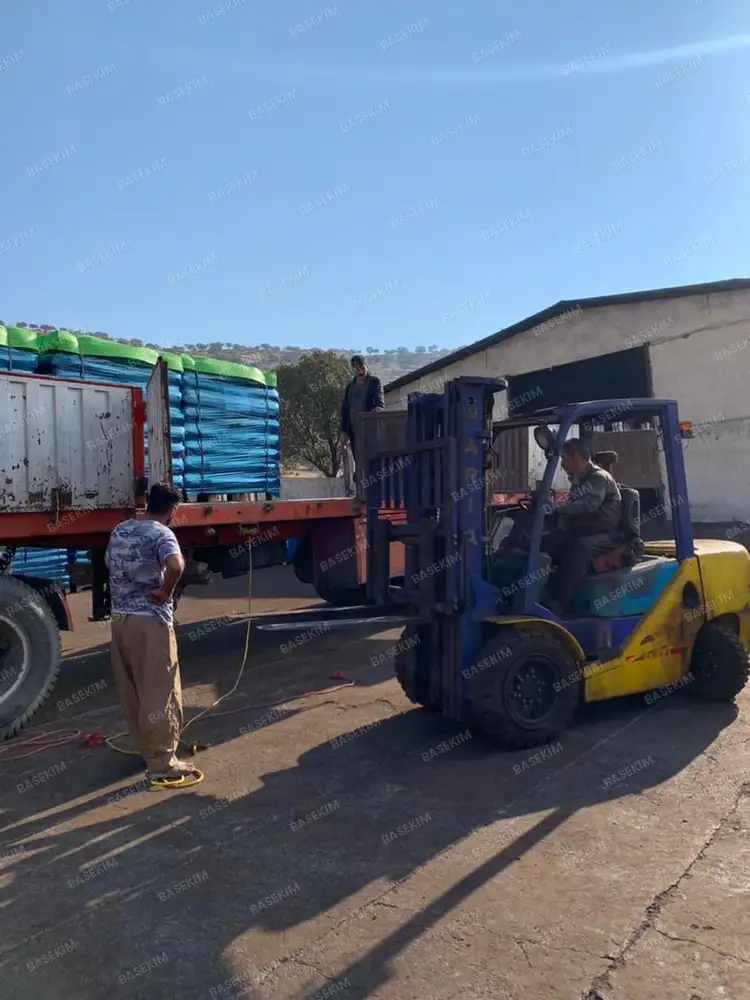
Gilsonite for Ductile Iron Castings
Ductile (nodular) iron castings are used in automotive, pipe and machinery parts. They need clean surfaces and controlled…
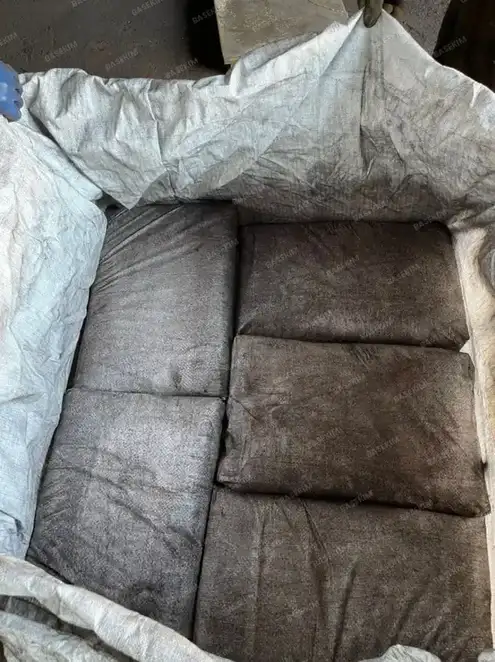
Loss on Ignition (LOI) in Green Sand and Gilsonite
Loss on ignition is a simple test that tells you how much combustible material is in your sand.…

Foundry Emissions and Carbon Additives
Foundries are under pressure to reduce smoke, odour and emissions. The choice of carbon additive matters. When hot…