
Mould and Core Coatings Containing Gilsonite
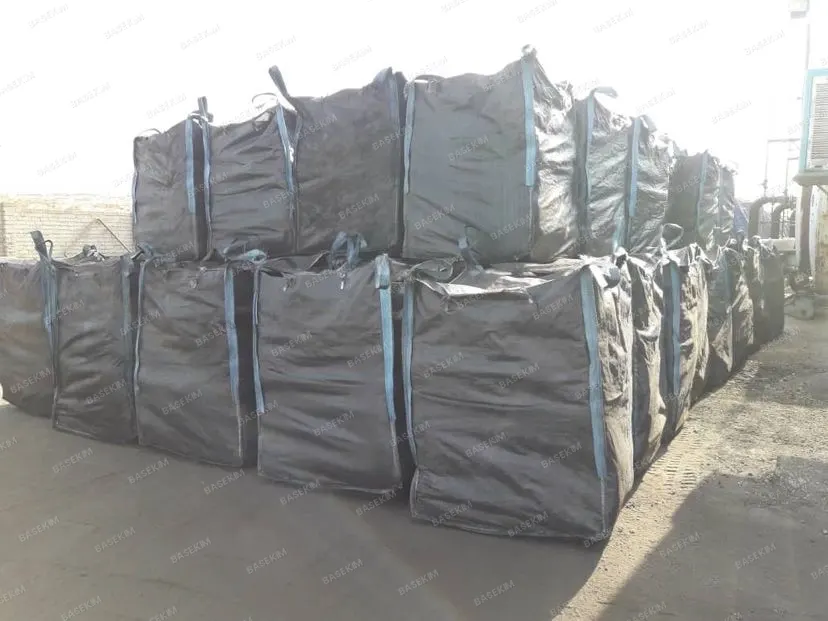
Refractory coatings protect mould and core surfaces from molten metal. Fine gilsonite can enhance their performance.
Function
Micronized gilsonite in the coating produces a reducing atmosphere and lustrous carbon at the coating surface.
Formulation
- Refractory filler (zircon, graphite, alumina silicate)
- Binder and suspension agent
- Carrier (water or alcohol)
- Small amount of micronized gilsonite

Benefits
Smoother surfaces, easier cleaning and reduced veining in some cases.
Typical uses of coatings
- Cores in heavy iron castings
- Areas prone to penetration
- Large moulds in no-bake systems
Dosage in coatings
Micronized gilsonite is usually added at low levels, typically a few percent of the solids. Higher levels can affect coating rheology and drying.
Application
Apply by dipping, brushing or spraying, then dry thoroughly before closing the mould.
Use micronized gilsonite. See gilsonite in core sand.
Recommended product
Micronized Gilsonite
| Property | Typical value | Test method |
|---|---|---|
| Appearance | Dark brown fine powder | Visual |
| Particle size | 300 – 600 mesh | Laser / sieve |
| Softening point (R&B) | 150 – 180 °C | ASTM D36 |
| Ash content, max | 3 % | ASTM D3174 |
| Moisture, max | 1 % | ASTM D95 |
| Solubility in toluene, min | 99 % | ASTM D2042 |
| Specific gravity @ 25°C | 1.04 – 1.06 | ASTM D70 |
| Typical dosage | Ink varnish: 20–40 % in oil. | |
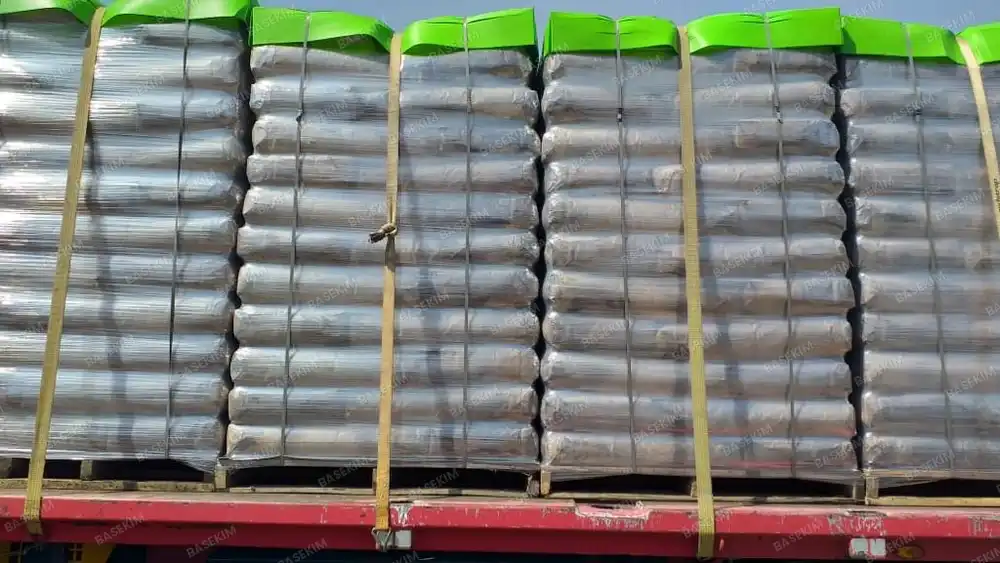
| Packing | 25 kg multi-wall paper bags with PE liner, palletized. | |
Typical values. The final specification is confirmed in the COA of each shipment.
Related articles
Veining Defects and the Role of Additives
Veining appears as thin fins of metal on casting surfaces, usually on cores. It is caused by sand…

Green Sand Casting Step by Step and the Role of Gilsonite
Green sand casting is the most widely used metal casting method in the world. "Green" means the sand…

How to Run a Gilsonite Trial in Your Foundry
Switching carbon additives should be done step by step. Record current additive, dosage, LOI, volatiles, sand properties and…